

Society Islands / French Polynesia
Restore the atoll.
Inspire the future.
Far out in the Pacific.
Teti'aroa lies north of Tahiti in the South Pacific. Its small islands, called motu, sit around a lagoon enclosed by a coral reef.
An ocean around it.A future ahead.
Distance is part of Teti'aroa’s story. So are the people caring for it: watching over nesting grounds, restoring island habitats and protecting what makes this little atoll extraordinary.
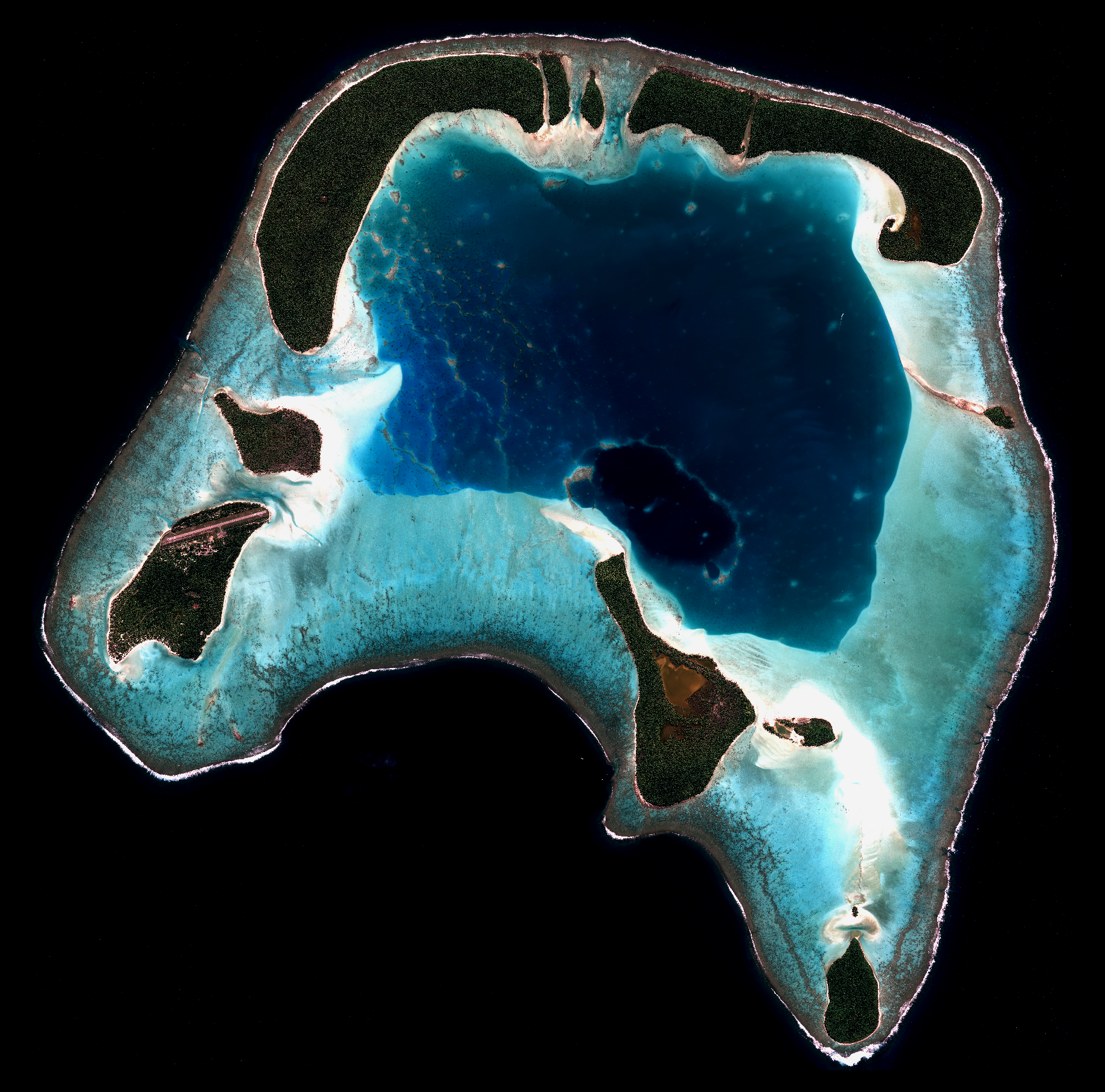
©Airbus Defense & Space – CNES, image Pléiade THR 2022
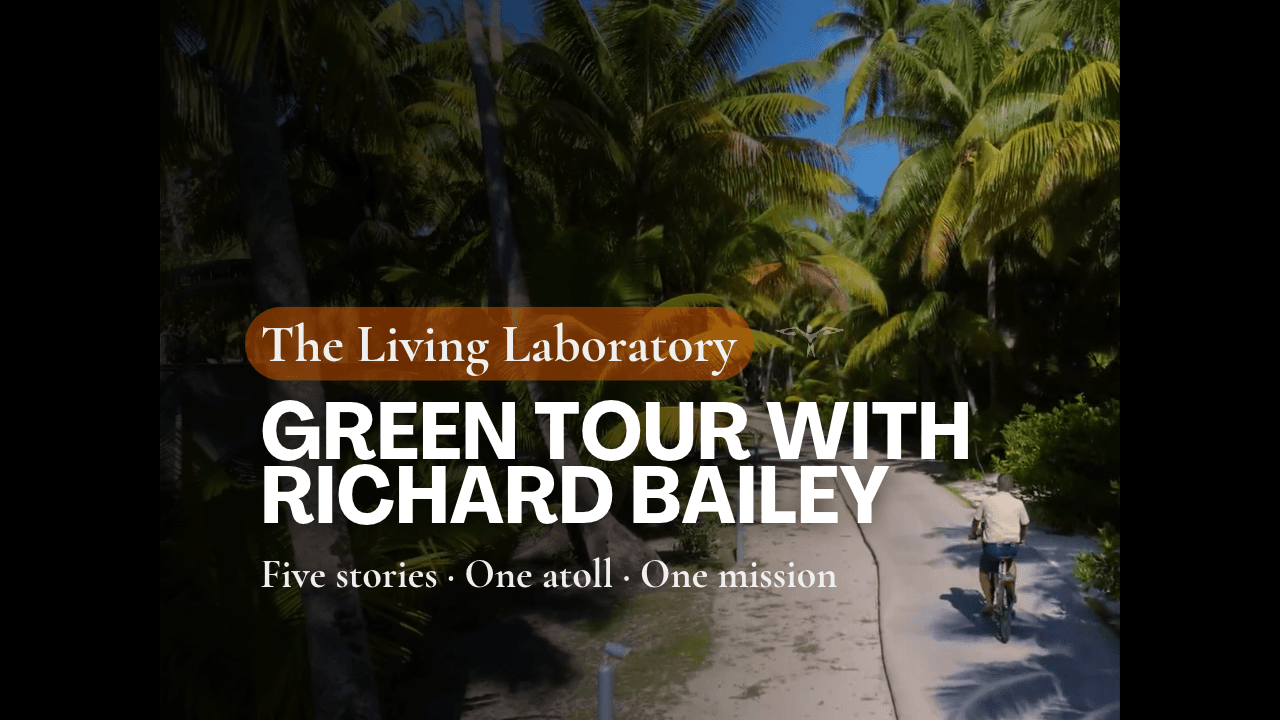
The Living Laboratory - Green Tour with Richard Bailey
Discover the new story of our Living Laboratory series. Richard Bailey our founding president will personally introduce you to the innovations of the Brando up to the Bailey Field Station, where every innovation gives way to conservation.
Learn More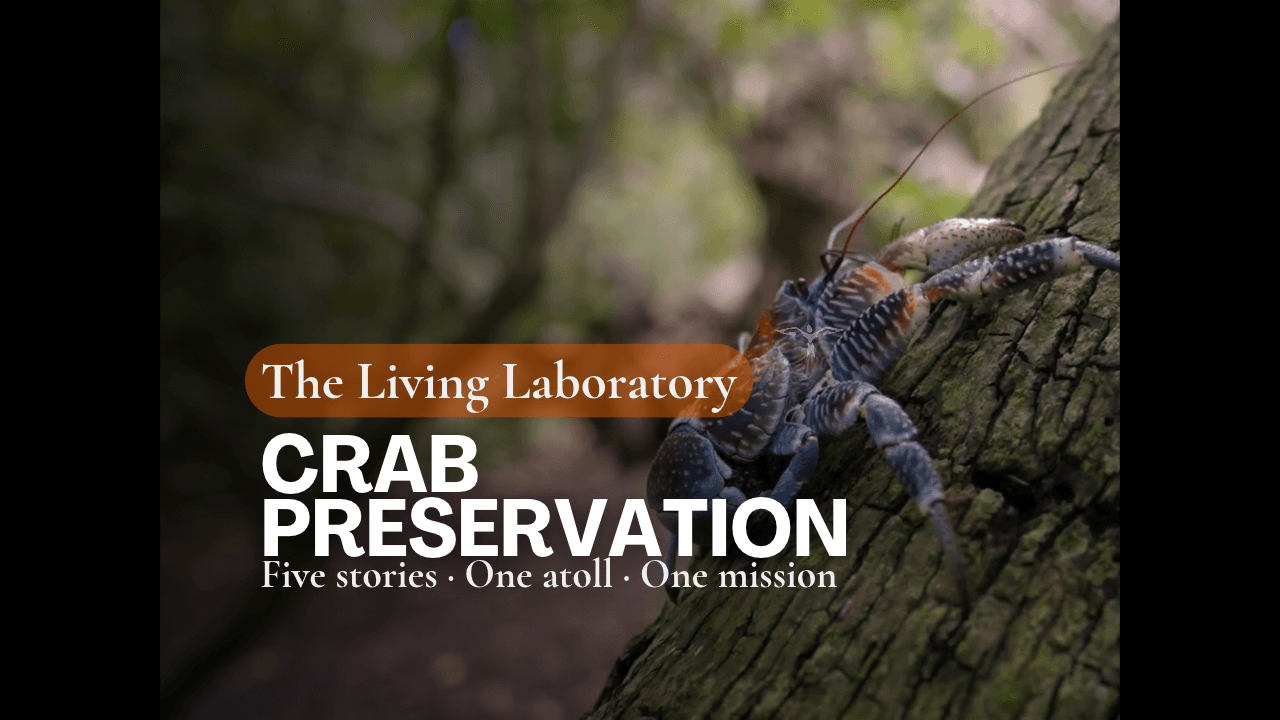
The Living Laboratory : Episode 3
Through the forests and along the shorelines of Teti’aroa, crabs play a vital role that most visitors never see.
Learn More
A pairing of terrestrial and marine sanctuaries
A nursery by land and sea.
Seabirds that hatch here return after months or years at sea to nest on Teti'aroa. Terrestrial crabs release their larvae into the ocean, seeding the surrounding islands with juvenile crabs. Every November, green sea turtles return to the very beaches where they hatched. Just offshore, juvenile lemon sharks spend their first years within the protection of the lagoon reef.
Teti'aroa's sanctuary unites protection of the terrestrial ecosystem with a lagoon marine reserve, safeguarding the cultural, ecological, and intrinsic value of its native wildlife. By protecting land and sea as one living system, we both honor traditional stewardship and preserve the ecological connections that make Teti'aroa unique.
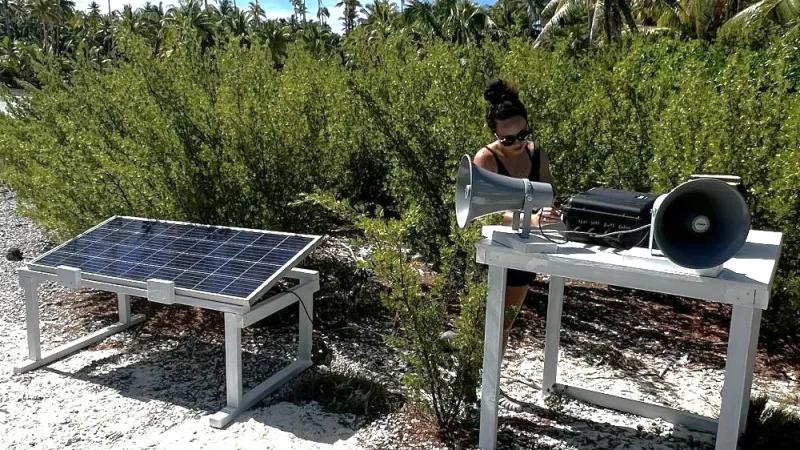
Teti'aroa Atoll Restoration Program
Restoring a meta-ecosystem.
Protecting a place is not always enough to ensure that it thrives. Like many islands, Teti'aroa has been impacted by invasive species that threaten its native biodiversity.
Invasive species are the leading cause of island extinctions worldwide and have already driven the extinction of Teti'aroa's native land birds while contributing to declines in native seabirds, crabs, and vegetation. Fortunately, a few uninvaded islets remained, making Teti'aroa an important refuge for native wildlife.
Our large-scale restoration program is unique in French Polynesia and aims to restore the atoll's natural ecological processes by removing invasive species and helping native species return. Our ultimate goal? Restoring ecological functions like seabird-driven nutrient flows that once connected land and sea and, with them, the health of the entire atoll.
Honu XR
Meet Honu. The deep-water submersible built to bring the ocean to everyone.
Built by Doer Marine in partnership with Tetiaroa Society, Honu, Tahitian for sea turtle, will carry scientists, visitors, and budding oceanographers into the deep. The Honu submersibles are built for real science and to share what they see and learn, with descents filmed by state-of-the-art 360° XR cameras, allowing Honu to open up the deep ocean to people in Polynesia and around the world.
Learn more about Honu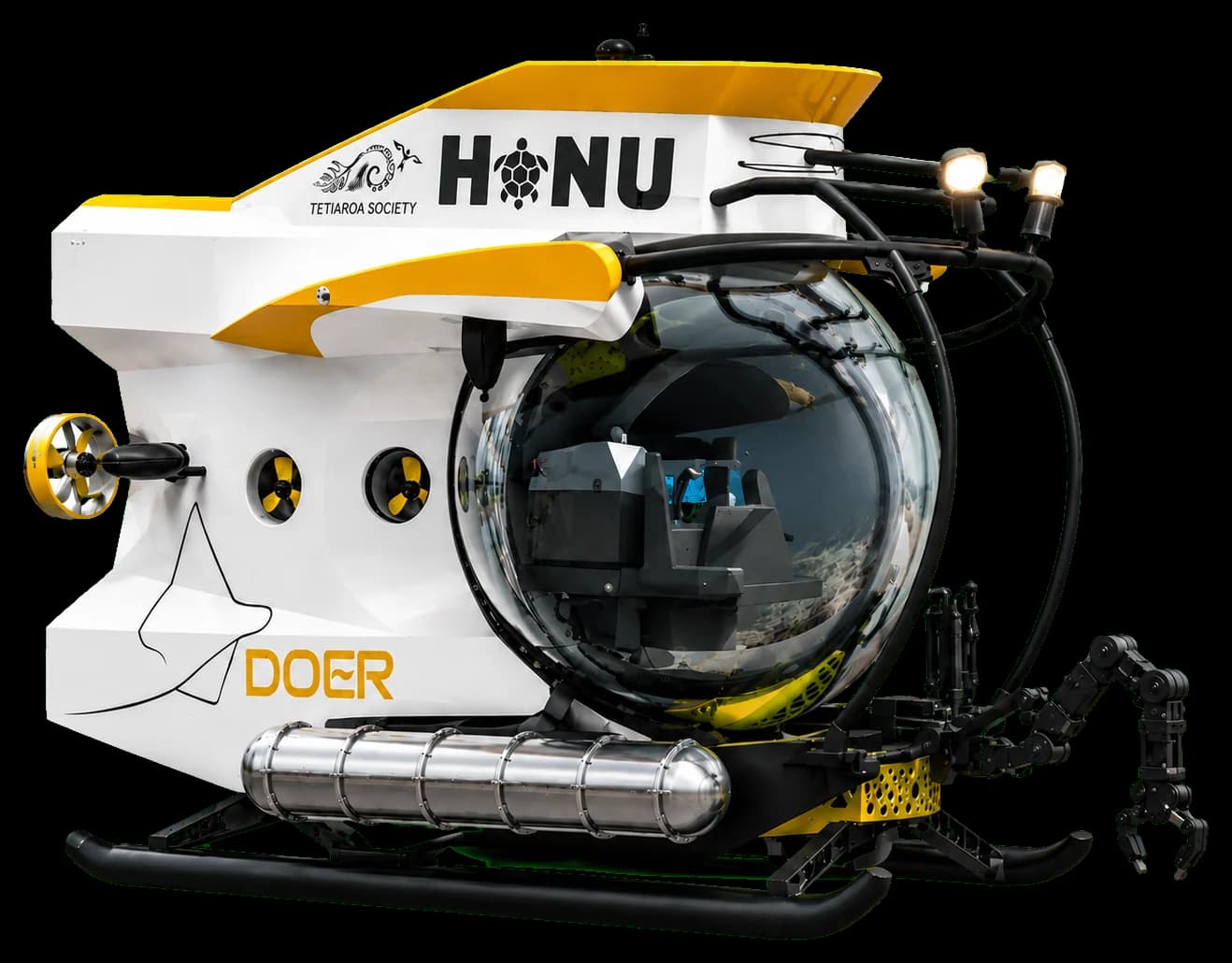
Pillars of Teti'aroa
Three responsibilities, one atoll.
Research and conservation help us understand, protect, and restore Teti'aroa's natural world. Education and culture nurture knowledge, connection, and stewardship. Community and global impact bring people together to turn shared knowledge into lasting conservation action, on the atoll and beyond.


Tamari'i
how kids meet the atoll
Tamari'i means children. Some meet Teti'aroa with sandy feet, some through a turtle story, and some through a headset in a classroom far away. The goal is the same: turn wonder into care.
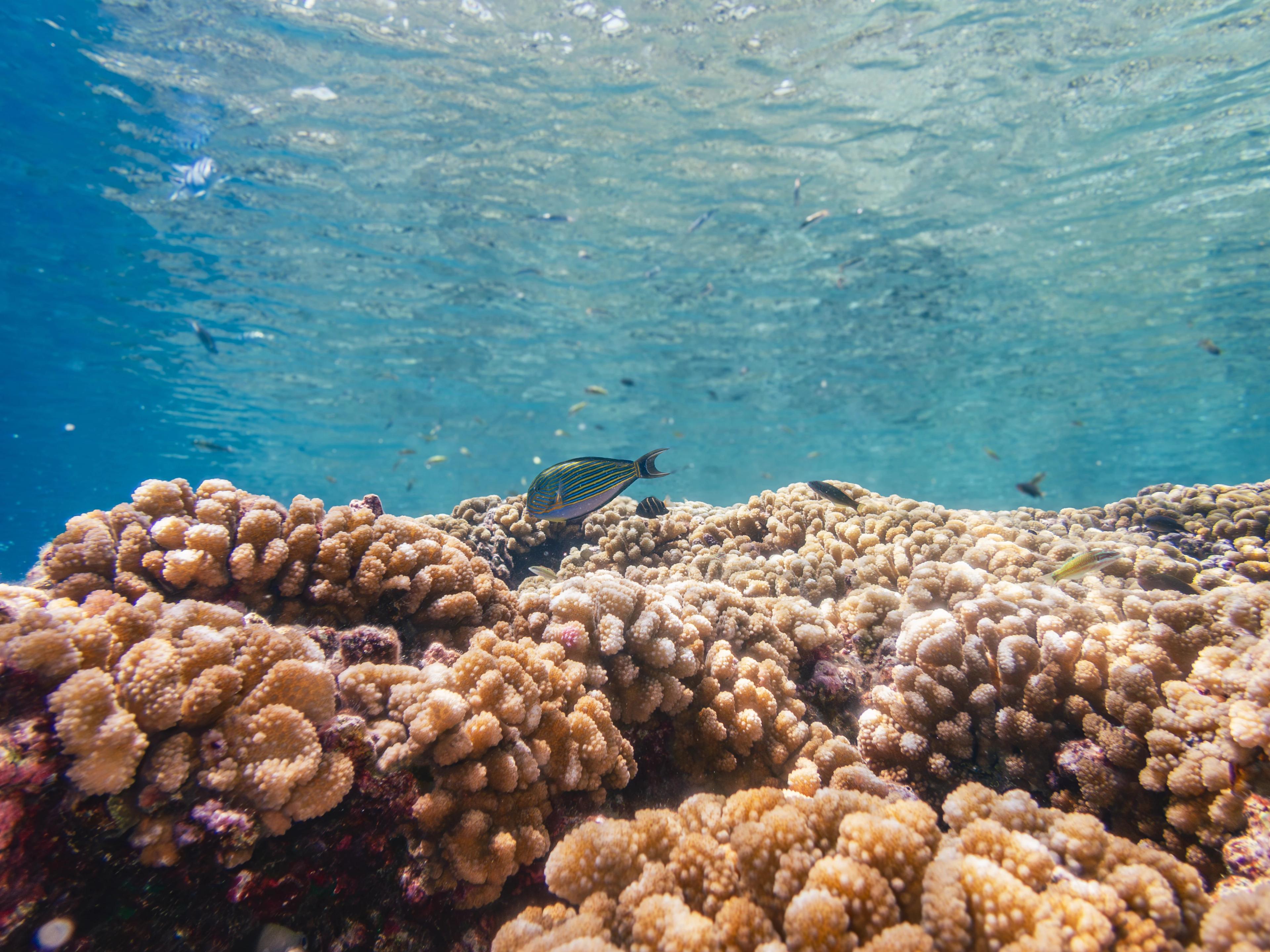
For children who visit the atoll: reef observations, junior naturalist prompts, turtle-care moments, and shoreline activities rooted in the real place beneath their feet.
School programs, classroom media, and Honu XR field trips are being built to bring Teti'aroa's lagoon, science, and stewardship to children anywhere on Earth.
What hatches here
doesn't stay here.
- On Teti'aroa, a nest begins to hatch — our staff guide 96 baby turtles to the water.
- Footage and data from the night patrol stream to our servers and across the world.
- In a classroom on the other side of the world, a child puts on a headset and discovers a passion for the ocean.
- One of those kids starts a local beach clean-up, another studies marine biology.
- 25 years later, one of those sea turtle hatchlings returns to the same beach to lay her own eggs.
- ... and those kids, now grown, teach their own children about our place in this world.